
Embarking on your first RV adventure can seem a bit overwhelming, but with the right planning and mindset, it becomes an incredibly rewarding way to explore the open road. We at Breakaway RV Rentals understand that every journey starts with a dream and a desire to experience the freedom of travel. In this guide, we’ll walk you through everything you need to know—from choosing the perfect RV to planning your route, packing wisely, budgeting, and keeping safe on the road. Our friendly, step-by-step approach is designed with beginners in mind, so you can confidently set out on an unforgettable road trip.

1. Choosing the Right RV for Your Adventure
Your choice of RV will set the tone for your entire trip. As a first-timer, it’s important to understand the main types of RVs available and decide which one best suits your travel style and needs. Here’s a quick overview:
- Class A Motorhomes: These are the largest and most luxurious options. Ideal for those who want a full-home experience on wheels, they offer plenty of space and high-end amenities. They are great if you’re planning to travel with family or a group and want the convenience of extra living space.
- Class B Campervans: Often known as van conversions, these are compact, easy to maneuver, and perfect for couples or solo travelers who plan to explore cityscapes as well as nature. Their smaller size makes them more fuel efficient and easier to park.
- Class C Motorhomes: Sitting between Class A and B, Class C vehicles provide a good balance of space, comfort, and drivability. They often come with bunk beds, making them a popular choice if you’re traveling with kids.
- Camper Trailers: If you have an existing vehicle that can tow, a camper trailer might be your best bet. These are detached living quarters, giving you the flexibility to explore the destination with a separate vehicle.
- Pop-up Campers and Truck Campers: These are more minimalist options that are lightweight and easy to tow. They are great for those who prefer camping with a twist of convenience.
When choosing your RV, consider factors such as the number of travelers, your budget, the type of terrain, and how much comfort you desire during your trip. We always recommend renting an RV that feels like a second home without being overly complex to operate, especially for first-timers.
2. How to Rent an RV Through Breakaway RV Rentals
Renting an RV for the first time might feel like uncharted territory, but our platform is designed to make the process straightforward and transparent. Here’s our recommended step-by-step process:
- Explore Our Listings: Visit our listings to browse through a carefully curated selection of RVs. Each listing comes with detailed photos, specifications, and reviews from previous renters to help you decide.
- Select the Right Match: Filter your choices by RV type, size, and location to find the ideal match for your upcoming trip. We suggest comparing the amenities and features that matter most to you, such as kitchen facilities, sleeping arrangements, and storage options.
- Book Your Rental: Once you’ve chosen the RV that fits your style, follow the simple online booking process. You’ll be met with a clear breakdown of pricing, rental terms, and any additional charges. We believe in complete transparency so you know exactly what to expect.
- Pick-Up and Orientation: When you pick up your RV, our local partners provide a detailed walk-through of the vehicle’s features, basic operational tips, and safety guidelines. This hands-on orientation helps build your confidence as you start your journey.
- On the Road: Enjoy the freedom of travel! The customer support is just a call away if you encounter any issues or have questions during your trip. We’re here to ensure your experience is as smooth as possible.
By following these steps, you can start your adventure with the right head start. Our goal is to remove the guesswork and help you focus on enjoying the ride.
3. Planning Your Route: From Scenic Byways to Must-See Attractions
Once your RV is booked, it’s time to plan your route. The road ahead is filled with endless possibilities, and the key to a memorable trip is in balancing spontaneity with a bit of planning. Here are some actionable tips:
- Map Out Key Destinations: Think about what you want to see. Are you drawn to national parks, coastal drives, or charming small towns? Make a list of must-see attractions and scenic spots along the way.
- Plan Rest Stops and Campgrounds: Identify campgrounds and RV parks along your route. Booking these sites ahead of time can help you avoid last-minute stress. Look for campgrounds that offer the facilities you need, whether it’s full hookups, WiFi, or pet-friendly options.
- Consider Route Flexibility: While it’s good to have a roadmap, leave room for detours and spontaneous stops. Sometimes the best experiences come from unplanned moments—a local diner, an unexplored trail, or a hidden gem off the beaten path.
- Use Technology to Your Advantage: Utilize RV-specific GPS and planning apps that help identify recommended stops, ensure your route is RV-friendly, and alert you to low-clearance bridges or other road restrictions.
- Time Management: Plan to drive manageable distances each day. This not only reduces fatigue but also leaves time to really enjoy the stops along your journey.
Remember, planning your route is about creating a balance between structured travel and the joy of discovery. You can even mark potential stops on your map and let the adventure guide you along the way.
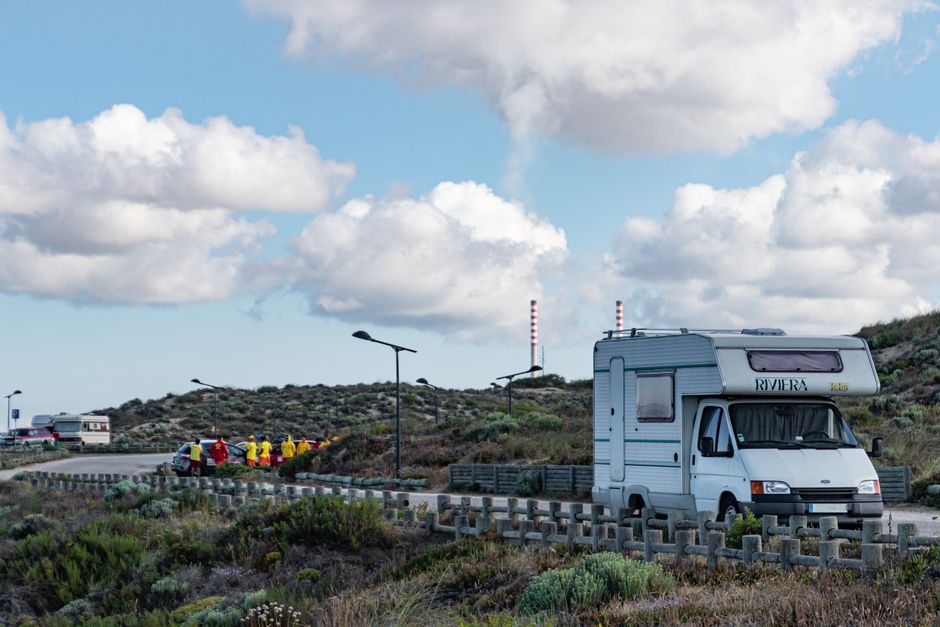
4. Packing for an RV Trip: Essential Items and RV-Friendly Gear
Packing for an RV trip is different from packing for a regular vacation. Since you’re living on wheels, you want to bring everything you’ll need without cluttering your space. Here’s a comprehensive list of essentials and tips to ensure you’re well-prepared:
A. Essential Items
- Clothing: Pack versatile layers to accommodate varying weather conditions and activities. Include comfortable shoes suitable for both driving and exploring.
- Personal Items: Don’t forget toiletries, medications, and personal care items. Consider including microfiber towels and reusable water bottles to reduce waste.
- Documentation: Bring your driver’s license, vehicle rental documents, insurance information, and emergency contact numbers.
B. RV-Specific Gear
- Kitchen Supplies: Stock up on non-perishable food items, spices, and cooking essentials. If your RV doesn’t come with utensils or cookware, consider packing a basic set.
- Camping Essentials: Bring foldable chairs, a portable table, and extra bedding if needed. A good quality cooler or portable fridge can help keep perishables fresh.
- Tools and Maintenance Items: Pack a basic toolkit, extra fuses, and any specific items recommended during your orientation. Some renters find it helpful to have items such as surge protectors or RV-specific flashlights for emergencies.
- Entertainment: Consider books, games, or even portable devices that can make your downtime more enjoyable. A good playlist can make long drives much more pleasant.
Organizing your packing list before your trip ensures that you have everything you need without overcrowding your space. A well-packed RV makes a big difference in how comfortable you feel on your journey.
5. Budgeting for Your RV Trip: Costs and Planning Your Finances
Budgeting is a critical aspect of any trip, and an RV journey is no exception. A well-planned budget will help you enjoy your adventure without financial stress. Here are some important budgeting considerations:
- Rental Costs: The cost of renting an RV can vary based on the size, type, duration, and season of your trip. Be sure to review the pricing breakdown on our website and look for any seasonal deals or discounts.
- Fuel Expenses: RVs typically consume more fuel than standard vehicles. Map out your route to estimate the fuel cost, and consider using apps that track fuel prices along the way.
- Campground Fees: Depending on the amenities, campground fees can vary widely. Research campgrounds in advance and factor in costs for both premium sites and more budget-friendly options like dry camping.
- Food and Supplies: Decide how much you’d like to dine out versus cooking your own meals. Purchasing groceries in bulk can be a cost-effective option while on the road.
- Unexpected Expenses: Set aside an emergency fund for unforeseen repairs or last-minute changes in your itinerary.
Keeping track of these expenses with a detailed budget plan allows you to enjoy your trip worry-free. We recommend using budgeting apps or simple spreadsheets to monitor your spending throughout your adventure.
6. Safety and Driving Tips for First-Time RVers
Your safety is paramount when traveling in an RV. While it may feel different from driving a car, being prepared and adapting your driving habits can make all the difference. Here are some essential safety and driving tips:
- Pre-Trip Inspection: Before hitting the road, go through a comprehensive inspection of your RV. Check tire pressure, fluid levels, lights, and safety equipment. Understanding your vehicle’s quirks can prevent many common issues.
- Driving Techniques: Keep in mind that RVs are larger and take longer to stop than cars. Practice gradual acceleration and braking, maintain a safe distance from other vehicles, and make wider turns when necessary. If you’re not used to driving a bigger vehicle, consider practicing in a safe, open area before your journey.
- Road Awareness: Stay updated on weather conditions and road closures. Many RV drivers benefit from using apps that offer real-time traffic updates and alerts about low-clearance bridges or height restrictions.
- Emergency Preparedness: Always have an emergency kit in your RV. This should include first-aid supplies, tools, a spare tire, and necessary documents. A small flashlight and a few basic repair materials can be of great help if you ever encounter a minor breakdown.
- Rest and Breaks: Fatigue can be dangerous on long drives. Plan regular breaks to stretch and rest, and always be mindful of your energy levels behind the wheel.
Remember that no matter how well you plan, unexpected situations can arise. Being prepared and staying calm are the best ways to handle any challenges on the road.
7. Pro Tips for First-Time RVers: Avoiding Common Pitfalls
Even the most detailed planning might not cover every aspect of RV travel. Over the years, we’ve gathered some tried-and-tested tips that can help you avoid common mistakes and enhance your overall experience:
- Don’t Overpack: While it’s tempting to bring everything, space is limited. Prioritize essentials and avoid unnecessary clutter to ensure that your RV remains a comfortable, relaxing environment.
- Take It Slow: It might be tempting to cover large distances each day, but often the journey is just as important as the destination. Give yourself time to enjoy every stop, explore local attractions, and adjust to the RV lifestyle gradually.
- Learn Your Vehicle: Every RV is slightly different. Spend time familiarizing yourself with its controls, water and waste systems, and any unique features it might have. This knowledge will boost your confidence and help prevent mishaps.
- Plan for Downtime: Long drives can be exhausting. Make sure to schedule moments of relaxation, whether it’s reading a book, enjoying a campfire, or simply taking in the scenic views.
- Stay Connected with Fellow Travelers: Join online forums or local groups for RV enthusiasts. Sharing tips, experiences, and even challenges can provide invaluable insights and new ideas for your own trips.
- Review and Reflect: After your trip, take some time to consider what worked well and what could be improved. This reflection will make your next RV journey even better.
These pro tips are meant to streamline your experience and ensure that your first RV adventure is both enjoyable and stress-free. Embrace the learning process and remember that every trip is a unique chance to discover more about yourself and the world around you.
Conclusion
Planning your first RV trip is a blend of preparation, spontaneity, and a passion for adventure. From selecting the right RV and following an easy rental process to meticulously planning your route, packing smart, budgeting carefully, and driving safely—each step plays a crucial role in your journey. By following the guidelines in this comprehensive guide, you’re well on your way to creating lasting memories on the open road.
We hope you found these tips and insights useful. At Breakaway RV Rentals, we’re committed to providing you with the tools and support you need to make your first RV experience exceptional. If you’re ready to begin your adventure, why not explore our extensive selection of RV rentals? Visit our listings to find the perfect vehicle for your journey. Happy travels and safe driving!
This guide serves as your roadmap to a successful RV trip. Remember, every adventure begins with a single mile—enjoy the ride, learn as you go, and above all, make memories that will last a lifetime.