
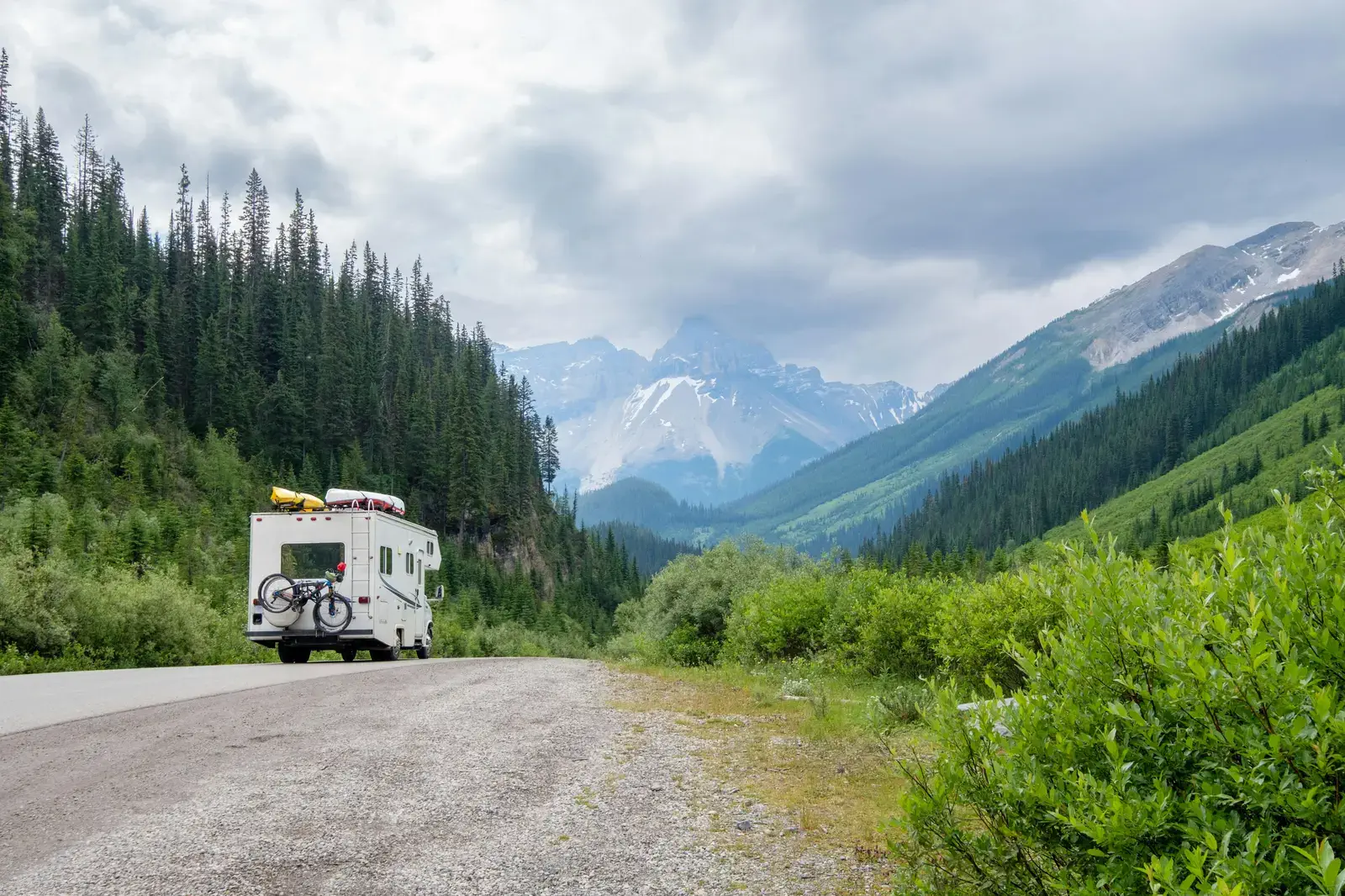
RV travel is one of the best ways to explore the open road, but a few small mistakes can turn your dream trip into a stressful experience. Whether you’re renting or owning an RV, knowing what not to do is just as important as knowing what to do. These common mistakes can lead to frustration, unexpected costs, and even trip-ending disasters. Avoid them, and you’ll be well on your way to a smooth, stress-free journey.
1. Not Making Campground Reservations in Advance
Walk-in sites are a dying breed. Many campgrounds fill up months in advance, especially during peak seasons and holiday weekends. Without a reservation, you might end up sleeping in a parking lot instead of a scenic lakeside spot. That’s not exactly the Instagram-worthy trip you had in mind.
How to Avoid It: Plan ahead and book your campsite as early as possible. Use sites like Campendium, Recreation.gov, or The Dyrt to check availability and read reviews before you go. If you’re traveling last minute, call ahead to see if there’s a waitlist or first-come-first-served spots available.
2. Not Understanding the RV’s Systems
Ever wonder why your shower water was freezing cold or not working at all? Not knowing how your waste tanks, slide-outs, or electrical systems function can lead to major frustration—or worse, expensive repairs.
How to Avoid It: Always do a full walkthrough of the RV before hitting the road. If you’re renting, ask the owner, rental company or manufacturer company to explain the basics. Learn where the water hookups, propane tanks, generator, and fuse box are. Trust us—you don’t want to be figuring it out in the middle of nowhere.
3. Not Securing Items Before Driving
One sharp turn, and your coffee grounds are all over the floor. Tragic. Cabinet doors can fly open, dishes can shatter, and loose items can turn into projectiles when you’re on the move.
How to Avoid It: Before driving, do a “secure check” by:
- Locking all cabinets and drawers
- Securing loose items like coffee makers and utensils
- Placing heavier items lower to prevent tipping
- Checking that the fridge and freezer doors are shut tight
This simple habit will save you from spending your first night sweeping up a disaster.
4. Underestimating Driving Challenges
You finally pull into the campground, but now you’re spending half a day trying to reverse park your trailer—while an audience of seasoned RVers watches. Sound familiar? Driving an RV isn’t like driving a car. It requires wider turns, longer stopping distances, and height awareness. One wrong turn, and you could find yourself stuck under a low bridge or struggling to navigate tight spaces.
How to Avoid It: If you’re new to RVing, practice driving and parking in an open lot before your trip. Know your RV’s height, width, and length to avoid clearance issues. Apps like RV Trip Wizard can help you plan routes that avoid low bridges and narrow roads.
Additionally, some driving schools offer courses specifically for RV drivers. Check with your local driving school or RV dealership to see if training programs are available near you.
5. Not Researching RV & Campground Rules
Did your 25’ RV get turned away because the campsite has a strict 24’ limit? Ouch. Campgrounds have different rules regarding check-in times, quiet hours, pet policies, and generator use. Not knowing these rules can lead to unexpected fines or last-minute changes to your plans.
How to Avoid It: Read the campground’s rules and policies before booking. Some campgrounds don’t allow certain RV sizes, while others may have strict generator hours or pet restrictions. A quick check online or a phone call can save you from last-minute headaches.
Avoid These Mistakes for a Stress-Free RV Trip
RVing is meant to be an adventure—but the right kind of adventure. By planning ahead, understanding your RV, and being aware of the common pitfalls, you can avoid unnecessary stress and focus on making memories.